Ingredients, Cuts & Botanical Pairings

Ingredients With Local Roots

In regional taco culture, fillings are rarely selected for convenience alone; they reflect deep ethical and practical respect for the entire animal and the surrounding agricultural ecosystem. Where industrial fast food relies on uniform ground muscle meat, traditional taqueros categorize a single pig or steer into a dozen distinct textures, each requiring its own cooking duration and salsa pairing.

Equally important, the Mesoamerican milpa—the symbiotic polyculture of maize, climbing beans, squash, chiles, and wild greens—provides a rich repertoire of vegetable, fungal, and legume fillings that have sustained communities for thousands of years.

01 / Nose-to-Tail Butchery & Slow Thermal Breakdown

Carnitas, Barbacoa, Cabeza and the Vocabulary of Texture

Ordering at a specialist carnitas or cabeza stand requires knowing specific anatomical terms. Customers rarely ask simply for "pork" or "beef"; they specify the exact ratio of lean fiber, gelatinous skin, or rich organ meat they want chopped onto their tortilla.

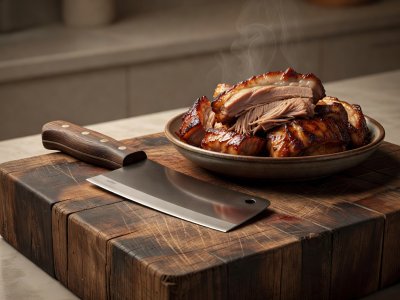
Soft-lit 3D render illustration of a heavy butcher block and cleaver beside braised pork cuts Michoacán Cazo

The Lexicon of Carnitas

Inside the copper kettle, lean shoulder is maciza; belly and rib meat is costilla; silky pork skin is cuerito; stomach lining is buche; and a mixed order combining lean meat, skin, and savory bits is called surtida.
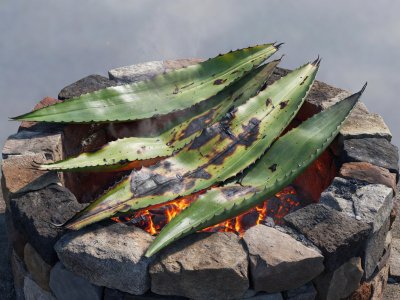
Soft-lit 3D render illustration of roasted green maguey agave leaves over a stone pit Earth Pit & Steamer

Barbacoa & Tacos de Cabeza

True highland barbacoa wraps sheep or goat in roasted pencas de maguey (agave leaves) over a pot of chickpeas and drippings that becomes consomé. Urban late-night stands also steam beef heads (cabeza de res), yielding delicate lengua (tongue), cachete (cheek), and suadero.

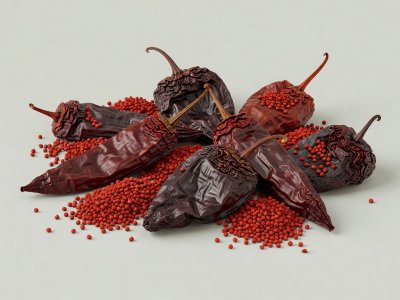
Soft-lit 3D render illustration of dried guajillo and ancho chiles with red achiote seeds Adobos & Recados

Chiles & Achiote Marinades

Dried chiles—guajillo, ancho, pasilla, morita, and cascabel—are toasted, rehydrated, and ground with garlic, vinegar, and spices into protective adobos for birria, al pastor, and chorizo, while Yucatán relies on recado rojo (achiote, oregano, allspice, and sour orange).

3D studio renders shown as conceptual illustrations, not documentary evidence of regional practice.
02 / Botany & Clay Cazuelas

Milpa Harvests and the Homestyle Art of Tacos de Guisado

Walk past a daytime street stand lined with ten or twelve wide earthenware cazuelas, and you have found a taquería de guisados. Usually anchored by a foundation of freshly cooked rice or whole beans spooned onto a double tortilla first, these tacos celebrate vegetables, eggs, chiles, and slow-simmered sauces.

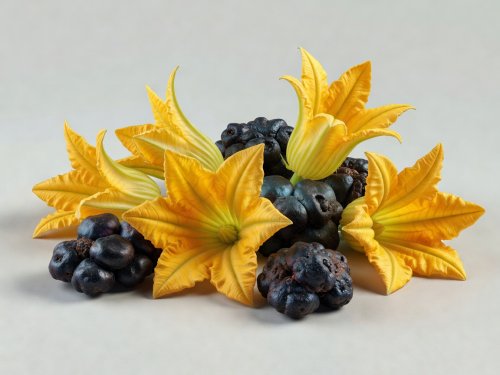
Soft-lit 3D render illustration of fresh yellow squash blossoms and dark huitlacoche corn kernels Mesoamerican Botany

Huitlacoche, Flor de Calabaza, Nopales & Quelites

Rainy season brings prized delicacies from the cornfield: huitlacoche (Ustilago maydis), an inky, umami-rich fungus that grows on developing ears of corn, sautéed with epazote and onion; bright orange squash blossoms (flor de calabaza); tender prickly-pear cactus paddles (nopales); and semi-wild edible greens collectively known as quelites (such as pápalo, quintoniles, and huauzontles).

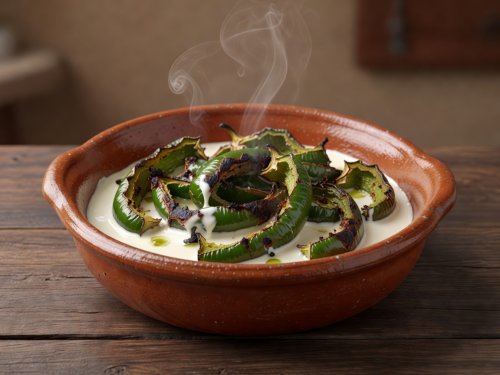
Soft-lit 3D render illustration of a glazed clay cazuela holding roasted poblano strips in cream Midday Cazuelas

Rajas con Crema, Chicharrón en Salsa Verde & Tinga

Classic guisado pots include rajas con crema (charred poblano chile strips simmered with sweet corn and Mexican crema), chicharrón en salsa verde (puffed pork skin softened in tart tomatillo-serrano sauce), mole poblano, and battered chiles rellenos. A scoop of rice underneath absorbs the sauce so the tortilla never tears prematurely.

03 / The Salsa Bar

Essential Salsas and Fresh Encurtidos: Balancing Fat with Acid

A taco without salsa is considered unfinished because rich rendered fats, collagen, and starch demand bright acidity and capsaicin heat to wake the palate. Reputable taquerías match specific salsa families to their fillings.

Salsa / Condiment Core Ingredients Preparation Method Ideal Taco Pairing
Salsa Verde Cruda / Taquera Raw or boiled tomatillos, serrano chiles, white onion, garlic, cilantro High-speed blend (often emulsified with avocado or vegetable oil) Suadero, al pastor, bistec, and carnitas
Salsa Roja Tatemada / Molcajeteada Plum tomatoes, chile de árbol or morita, garlic, coarse salt Blackened directly on the dry comal, then crushed in a stone molcajete Carne asada, cecina, chorizo, and barbacoa
Salsa Borracha ("Drunken Salsa") Pasilla chiles, toasted garlic, orange juice, pulque or dark beer Toasted chiles ground into a thick, smoky, slightly fermented paste Hidalgo and State of Mexico sheep barbacoa
Xnipec (Yucatecan Pickle) Finely diced purple onion, habanero chiles, sour Seville orange juice, oregano Raw maceration in citrus juice until onions turn bright magenta Cochinita pibil, lechón al horno, and lomitos

See how these flavors connect with global street food